Repetitive event creation
Preparing graphics and copying details into Campfire consumed time that could have been spent supporting participants.
PokePonche de Frutas started with one organizer and a handful of players. With limited time, volunteers and donated prizes, I built an Android event-planning tool and a machine-learning forecasting workflow to help the community organize meetups, understand attendance and make more informed resource decisions.
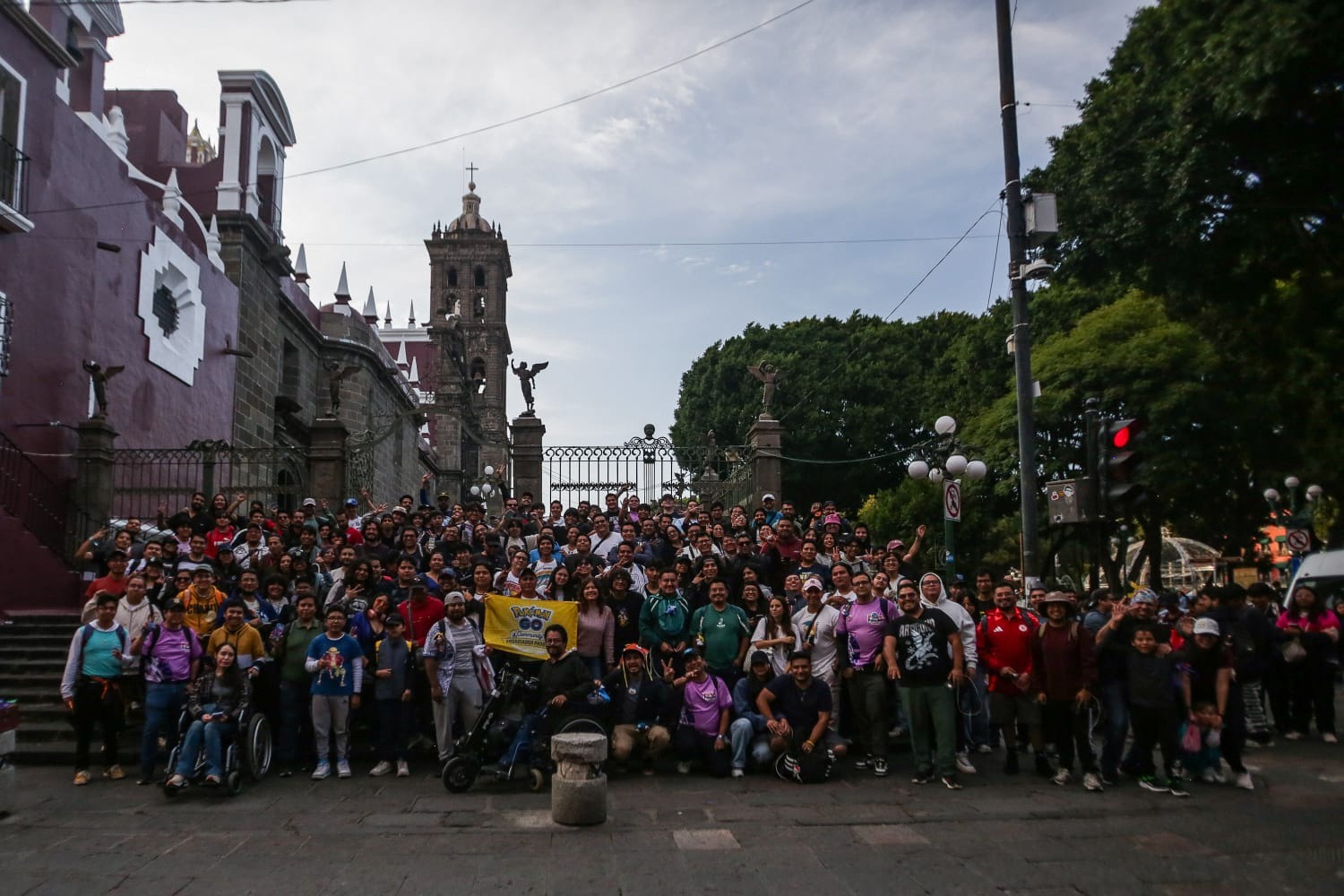
At the beginning, a few donated plushies, figures and small gifts had to be allocated carefully. Every event also required artwork, descriptions, invitations and organizer time.
Preparing graphics and copying details into Campfire consumed time that could have been spent supporting participants.
Useful attendance and RSVP information existed, but it needed consistent collection and organization before analysis.
Choosing which events deserved greater preparation was an important decision for a growing community.
An Android workflow handles event operations and historical exports. A Python pipeline transforms those records into predictive features for meetup planning.
Campfire events are created manually; the Android app prepares their content and stores the event links. Attendance retrieval relies on third-party Campfire Tools.
Built with Kotlin and Jetpack Compose, the companion app streamlines artwork, meetup information, invitations, attendance records and prize raffles.
The application generates event images with up to three Pokémon, composes editable titles and descriptions, stores Campfire links, and prepares invitations for sharing.
Organizers can later download check-ins, inspect attendance, export structured files and run raffles from saved participant lists.
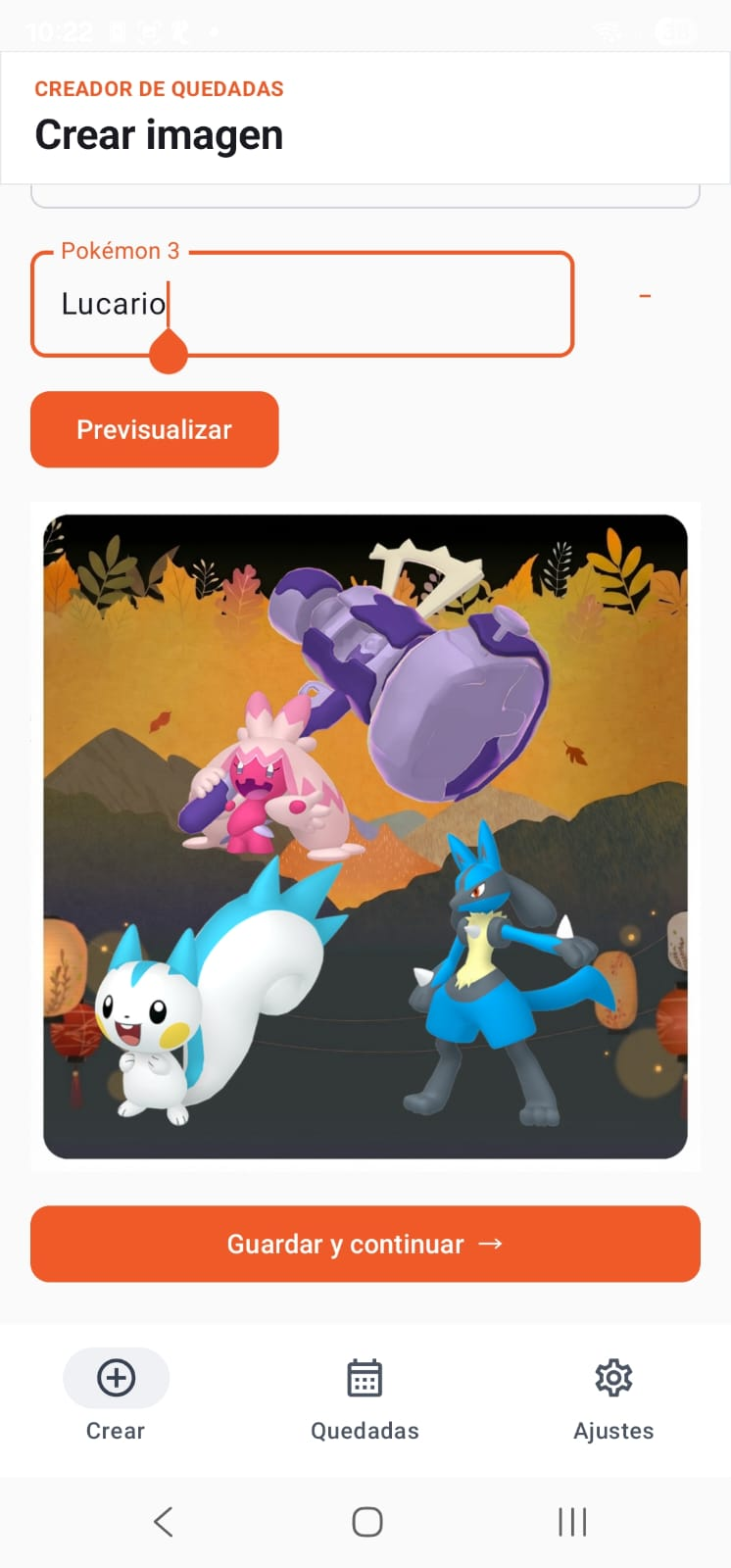
Actual screenshots from the Android application · select any image to enlarge.
Organized attendance data became the foundation for historical trends, community activity measures and predictive features.
The model learns from 548 meetups, not 33,848 independent training examples. Individual check-in histories are aggregated into event-level features such as active members, recent turnout, repeat participation and previous conversion rates.
Event dates, categories and bonuses are combined with prior community activity. Historical features are calculated only from earlier dates to respect the sequence of events.
The published demonstration reconstructs a CatBoost-based prediction workflow used to support meetup planning and allocation of limited resources.
The selected model learns the expected conversion of interested participants into actual Campfire check-ins. The estimated conversion rate is then combined with the observed interest count to produce an event-level attendance estimate.
This model forecasts event-level check-ins, not the identities or behavior of specific players.
Seasonality, day of week, event sequencing and timing of major global Pokémon GO events.
Rolling attendance, user activity windows, repeat participation and historical conversion.
Meetup category, event phase, available bonuses, Pokémon-related signals and interest count.
Public, reproducible model results from the 81-event chronological test set. Figures are taken from the project itself.
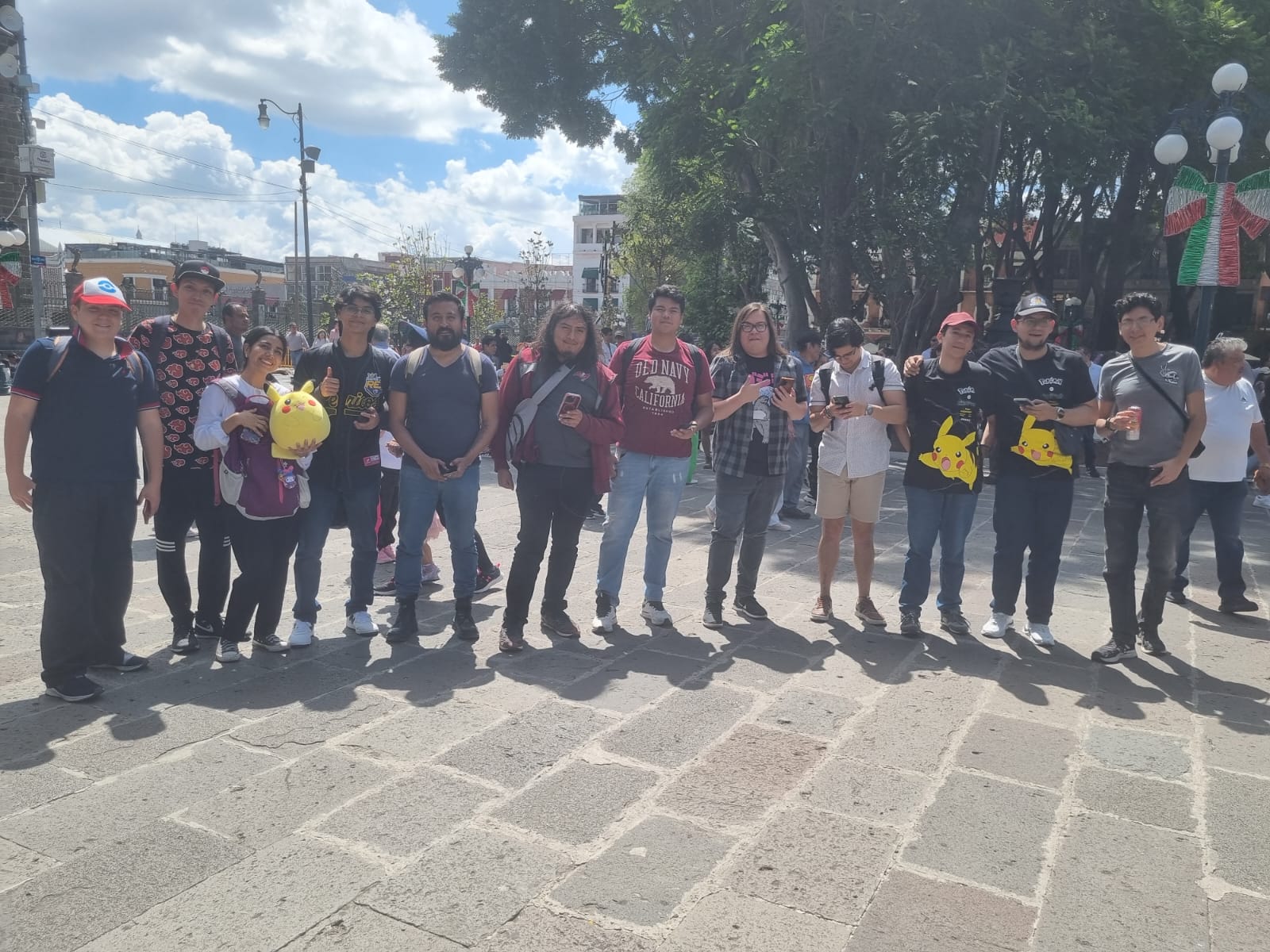
The strongest evidence of this project's relevance is the community it served. The tools supported planning and operations alongside the sustained work of volunteers, organizers and participants.
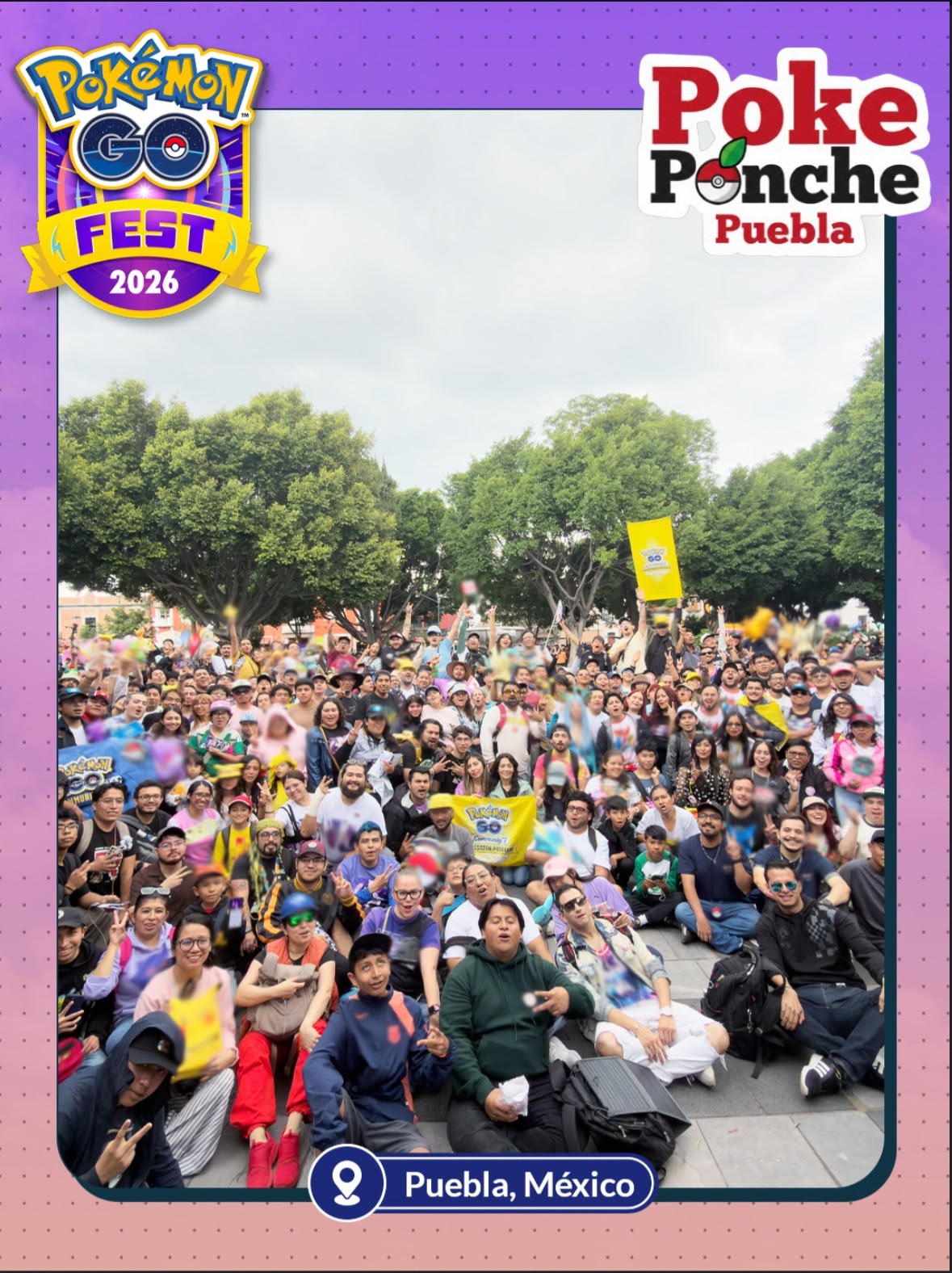
PokePonche helped organize a major Pokémon GO community gathering in Puebla as part of GO Fest 2026. The photo shown here features the event's PokePonche branding and an energetic crowd of attendees.
The community's growth reflects the efforts of its organizers and members; software and data were tools that helped coordinate the work, not the sole cause of that growth.
Attendance estimates informed decisions about when to invest more effort, prepare donated prizes and focus recruitment activities. Operational data and community experience worked together.
Keeping a real community running changed how I think about engineering: good models depend on dependable data collection, clear workflows and actionable decisions.
Removing repetitive graphic and announcement tasks gave organizers a more consistent workflow and more time to focus on the meetup itself.
Transforming meetup links, check-ins and participant histories into structured exports taught me to design collection and analysis together.
Historical feature windows, chronological splits and conversion modeling mattered because meetup attendance evolves along with the community.
A useful estimate becomes valuable when it helps determine where to place volunteers, gifts and preparation effort, while still leaving room for human judgment.
This project combined community organizing, Android development and data science into one evolving workflow, shaped by the people who actually used it.
The two codebases can be presented separately on GitHub while this page tells the complete end-to-end story.
Artwork generation, meetup preparation, sharing, check-in exports and raffles. Android 10+.
Visit GitHub profile ↗Reproducible CatBoost demonstration with pseudonymized data, model artifacts and evaluation plots.
Visit GitHub profile ↗Pokémon, Pokémon GO, Campfire and related names, character art and marks belong to their respective owners. This independent project is not affiliated with, sponsored by, or endorsed by Niantic, Scopely, The Pokémon Company or Nintendo. Attendance data shared publicly are minimized and pseudonymized; participant identities and internal operational records are not published.